We are what we breathe: urban air quality and mental health
Concerns about health tend to focus on the physical not the mental or emotional aspects of our wellbeing. Although that focus is shifting, it is important to ask the question whether we are always looking in the right place.
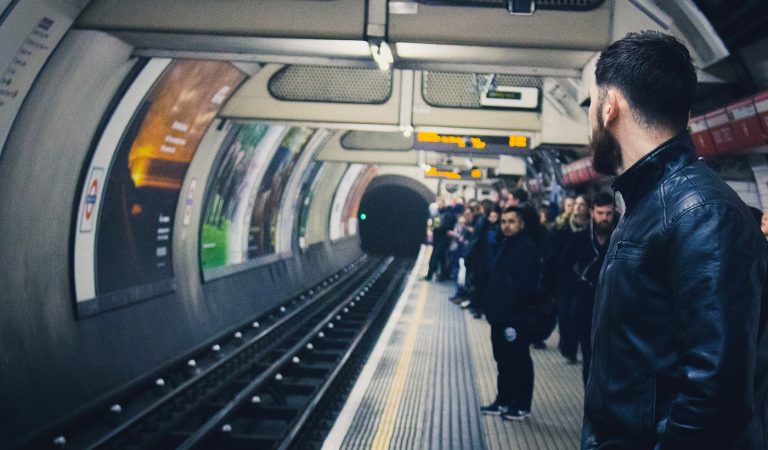
Urban air quality is an example. A massive concern here in the UK and elsewhere, because of the human as well as the climate impacts, with tens of thousands of preventable deaths occurring each year in UK cities alone.
That should be enough to call time on a pressing issue, and although some progress is being made particularly by cities at the local level, it is still too slow and needs more national resource.
Poor air linked to depression, anxiety and suicide
But there is a big hole in this debate. Some studies have linked worsening air quality to an increase in depression, suicides and mortality, particularly amongst people with mental and behavioural health disorders. Toxic nano-particles linked to increases in Alzheimer’s can find their way to the human brain from polluted air, and it may also be affecting our mental wellbeing by interfering with our personal bacterial eco system – the microbiome, a collection of around 100 trillion bacteria with which we share our bodies inside and out.
Science is only beginning to understand the importance of the human microbiome to physical and mental health. Whilst we obsess with Vitamin C every winter its worth remembering that 60-70% of our immune system is generated by our microbiome. And as a recent article by Australian Urban Designer Zoe Myers in The Conversation sets out so clearly, access to a diverse array of micro bacteria can have a ‘profound effect on anxiety and depression’.
How can gut bacteria help?
One project citied in Myers’ article is an excellent piece by US Psychiatrist Emily Deans. Whilst Deans cautions us against over excitement in this emerging field, she also suggests intriguing possibilities that should be explored further. A central point is that changes in our modern microbiomes from that of what might be expected in hunter gatherer populations could be seen as a kind of proxy for increased environmental stressors and the pressures of modern existence, which make a real and negative difference.
Cultivating microbiomes in cities
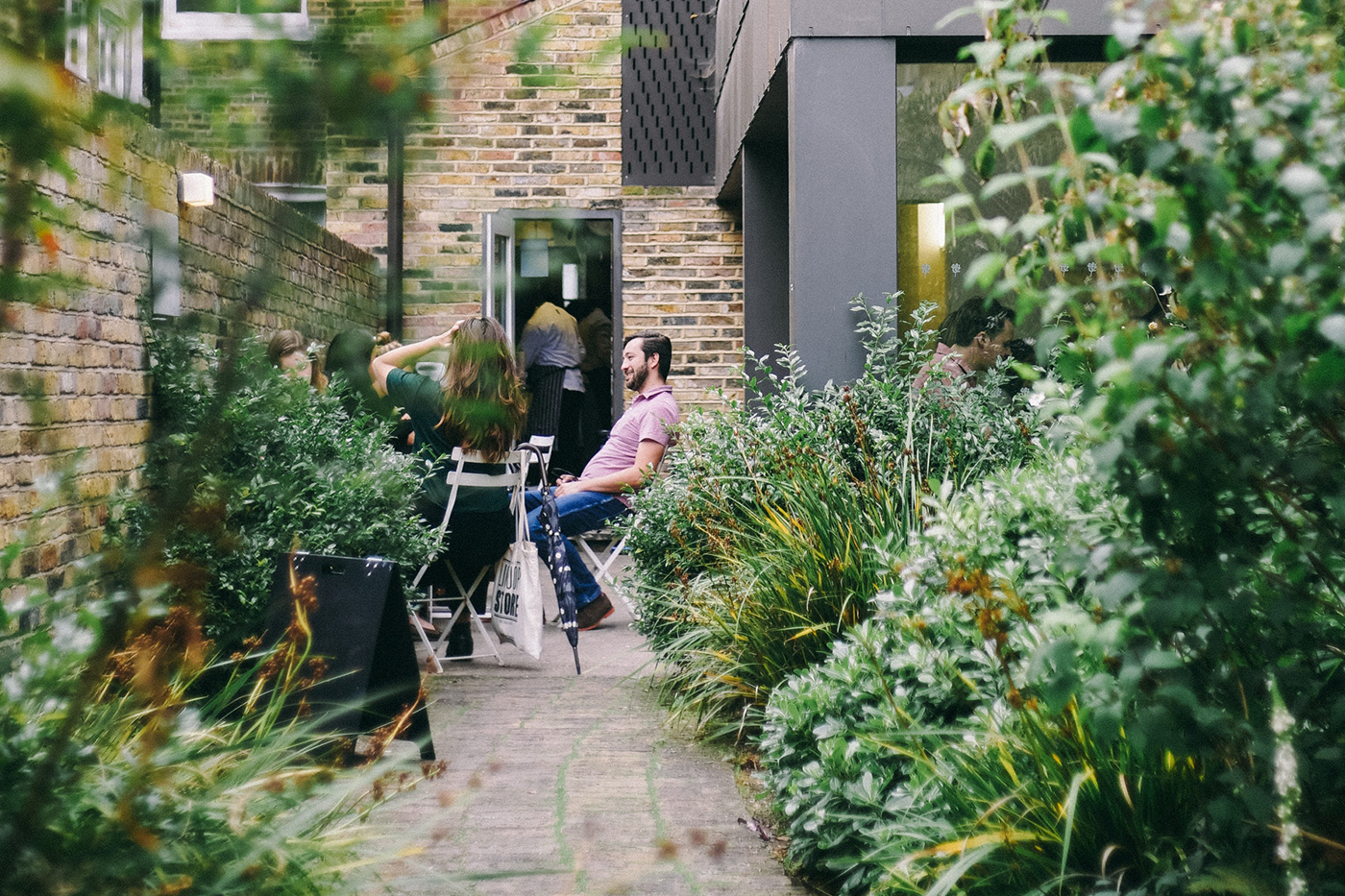
But what does cultivating a healthy microbiome mean for cities? Myers makes the case for a more diverse natural ecology in cities, and we know that the mere sight of water lowers blood pressure, seeing greenery helps patients to heal more quickly, access to quality parkland increases pro-social behaviour. As if that were not enough, the good bacteria we need are not just absorbed from food, many are airborne, so a diverse fauna and flora in cities is good for mental health in more ways than one. That’s a fairly profound conclusion , but it also raises a significant question for urban air quality, because air borne micro bacteria will find it harder to thrive in a polluted environment.
We all need to take a breath

Cities are sensory experiences, smell our most powerful sense. How we breathe – the focus of many mindfulness techniques – affects us deeply, and the Latin for breath, ‘spiritum’ has the same root as spirit, and ‘inspire’ (literally to breathe in), recognising that fundamental link. But what we are breathing is also critical.
Poor air quality isn’t just bad for physical health, it: undermines our entire experience of the city; decreases our general wellbeing; increases depression, anxiety and risk of suicide; and disrupts the ability of our microbiome to flourish and create positive physical and mental health effects. That’s a pretty big catalogue of disaster (to which add climate change) and, in our search for solutions to urban air quality, issues of mental and emotional health should therefore be given a much higher profile.