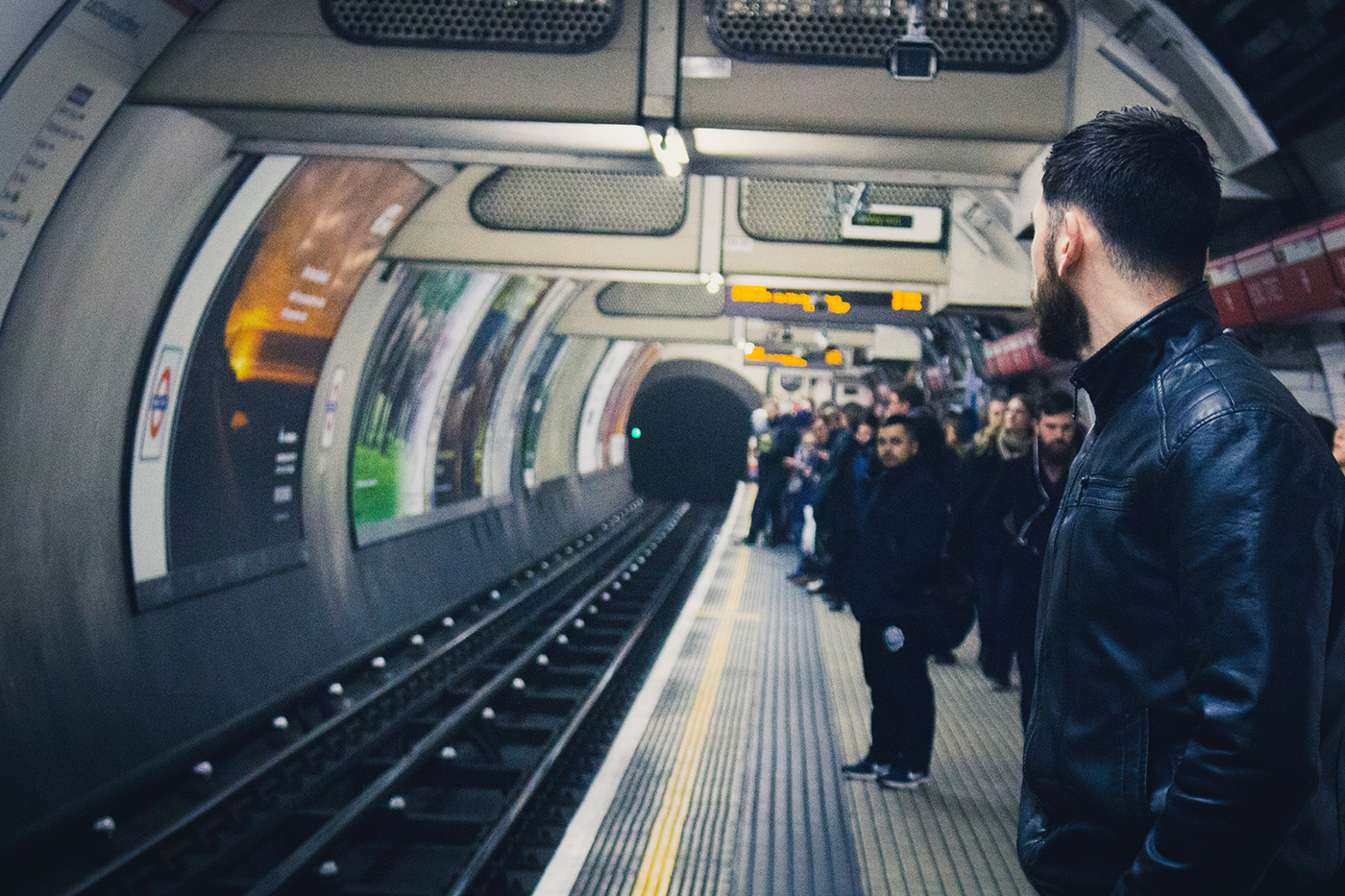
Journeys of self discovery
The Journey as a process of self-discovery has a rich cultural and psychological associations, from mythology and literature to depth psychoanalysis, as a trip into the unknown to transform the self.
The Greeks called such journeys ‘Katabasis’, a going-down into the underworld, followed by ‘Anabasis’, rising-up into newly affirmed life. In modern psychology Katabasis can refer to the theory of a depression suffered by young men due to a lack of initiation rites that clarify entry to adulthood[i], a going-down, but no rising-up (the idea could equally apply to women of course).
To the unconscious, there is no difference between a real action and a symbolic one, which helps to explain the historic importance of ritual. This is a connection that could be employed to reimagine short-term travel as a means to personal growth, already present in the Gap Year, specialised retreats, or even hedonistic weeks in the sun as a kind of initiation.

Sacred Quests are a common motif, the Hero’s journey overcoming impossible challenge[ii], or seeking a special object like the Grail. From a psychological perspective these are trips into the unconscious, facing the Shadow Self as a step toward psychological wholeness, resilience and maturity.
In this sense the Journey is a going-in and then a coming-out, with a refreshed and renewed awareness of self and identity. Travelling to somewhere we are unknown and is unknown to us, we can shed our old skins symbolically, and literally with different clothes and behaviours.
We see these themes in literature and film, whether road trip, pilgrimage to Canterbury or to another world. The Journey creates instability and confusion, is unpredictable, and so opens up a fluid, liminal space and state of being where orthodoxy can be contested, identity transformed in encounters with the self through the experience of the other.
Remapping personal geography
The traveller is forced to remap their personal geography as they explore a foreign land, fixed notions are broken down and so can be consciously rebuilt, leading to freedom and personal liberty on one’s own terms, not as a slave to the past. These are the foundations of psychological growth.
The symbolism of the Journey surrounds us and is present in our own psychological dynamics. It is therefore an exciting but, in some ways, not massive step to ask how any destination or city, might distinctively connect with that to attract more and different visitors, and enhance their experience.
Connecting people to places in post-pandemic tourism
The tourism we had in 2019 will not be the tourism of tomorrow. COVID creates restrictions, but it also perhaps opens new doors, shifting our priorities. Travellers may want a release, to reaffirm their liberty to be out there, experiencing, celebrating, just letting off steam. But COVID has also confronted us with fragility, mortality, anxiety, that sense of wanting every moment to be precious.
The first step might be to look at the psychological environment, symbolism, past and present of a destination, and see what this says about the place.
Place Development and Place Attachment theory from psychology show us how important anchorage and a bond with place can be to our sense of meaning and purpose in the world. That’s not the same as saying we need to be in one place, or indeed that ‘place’ is always physical. Is there a way in which cities and other destinations can take those ideas and build a sense of deeper connection for visitors?
Planning a trip can be the happiest bit of the journey
A 2010 study found that planning a trip makes people happier than actually taking one[iii], and that trips themselves are often used to confer status, or overcome a sense of personal restlessness, all pointing toward the presence of psychological dynamics. Of course, we want a rest, a break, something different, but there can be other factors at play.
The transformation we are perhaps looking for begins with planning the trip. What can destinations do to add to that? Are there ways in which virtual visits might be made first to help plan the real? Can these link to an unearthing of the destinations’ own identity in a way that connects with the interests and needs of its future visitors? Can relationships be built long term, where the visit is a culmination, not the whole experience? And could different narratives about personal exploration and development be woven together from the history, cultural assets, activities, ideas and people of destinations for others to connect directly with, creating mysteries to be solved, places, objects or people to be found?
If a trip to a city or other destination can touch even lightly upon these things, it will be a trip worth having and that people will want.
[i] Iron John; A Book About Men; 1990
[ii] The Hero with a Thousand Faces; Joseph Campbell; 2008; New World Library
[iii] https://link.springer.com/article/10.1007/s11482-009-9091-9